
UVigo promotes sustainable viticulture through active participation in two European projects funded by the Interreg Sudoe program, via the BV1 – Plant, Soil and By-products Utilization group (part of the IAA).
Soil&WineResidues
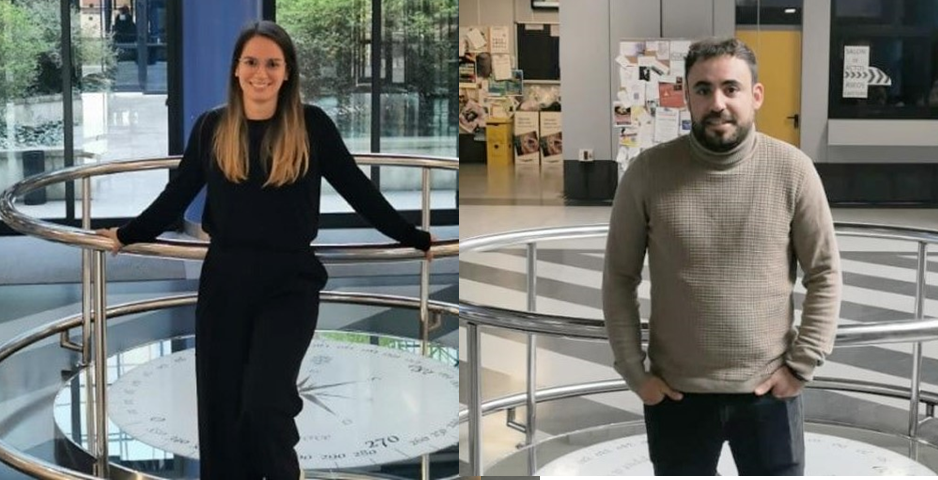
The Soil&WineResidues project – Vineyard Soil Sustainability and Eco-efficient Use of Winemaking Residues – is coordinated by the Misión Biológica de Galicia (CSIC). It involves 14 partners from Spain, Portugal, and France, with a budget of nearly €1.8 million. At UVigo, Vanesa Santás Miguel (BV1, IAA) participates actively.
This project promotes a circular economy. It uses lignocellulosic vineyard residues to enhance soil fertility, produce commercial products, and generate renewable energy. The team will also analyze soil conditions, ecosystem services, and the role of residues in eco-efficiency and biorefining.
Moreover, the project will implement two pilot initiatives with local stakeholders. These will assess soil health, residue use, and the effects of fungicides. The results will help support territorial decision-making, knowledge transfer, and rural development, while strengthening the competitiveness and resilience of the viticulture sector against climate change.
Viti-Valmo
The Viti-Valmo project – Valorization of Local Organic Residues for Climate-Resilient Viticulture – is coordinated by Agropolis International. It involves six partners from Spain, Portugal, and France, including the University of Vigo and Inorde, with a budget of nearly €1.17 million. At UVigo, Manuel Conde Cid (BV1, IAA) participates.
The project aims to improve vineyard soils using organic amendments, biochar, compost, and biostimulants. These solutions increase soil fertility, biodiversity, and water retention.
To overcome challenges in biochar production and cost, the team will develop a mobile transformation unit. It will be tested across different areas in the Sudoe region. Additionally, the initiative includes diagnostics and strategies to valorize local residues and adapt them to diverse environmental and socio-economic contexts.